How Transparent Service History Can Increase Resale Value: Simple Tips to Boost the Price of Your Car!

When the time comes to sell your car, every detail counts. From the condition of the bodywork to the state of the engine, prospective buyers scrutinise everything before committing to a purchase. Yet one of the most powerful — and most often overlooked — factors in securing a strong resale price is something far simpler: a well-documented, transparent service history. Understanding how to present your vehicle’s past can make a genuine difference when navigating today’s competitive used car market.
Key takeaways
- A well-documented, transparent service history is a primary factor in securing a higher resale price for a used car.
- Maintaining a chronological file of invoices and keeping the service logbook stamped provides buyers with necessary confidence in the vehicle’s care.
- Organizing documentation clearly for pre-purchase inspections allows buyers to easily verify the vehicle’s maintenance timeline.
- Highlighting recent component replacements and quality upgrades serves as a strong selling point that justifies a premium asking price.
- Clear online listings that explicitly mention a full service history and include photos of maintenance records attract more serious, qualified buyers.
- Obtaining a realistic market value estimate based on objective data and full documentation helps sellers price their vehicles confidently and fairly.
- Proactive and honest communication regarding a car’s history fosters buyer trust, which can accelerate the negotiation and final sale process.
Organise Your Logbook and Service Invoices for Potential Buyers
Keep a Complete Record of Regular Automobile Maintenance
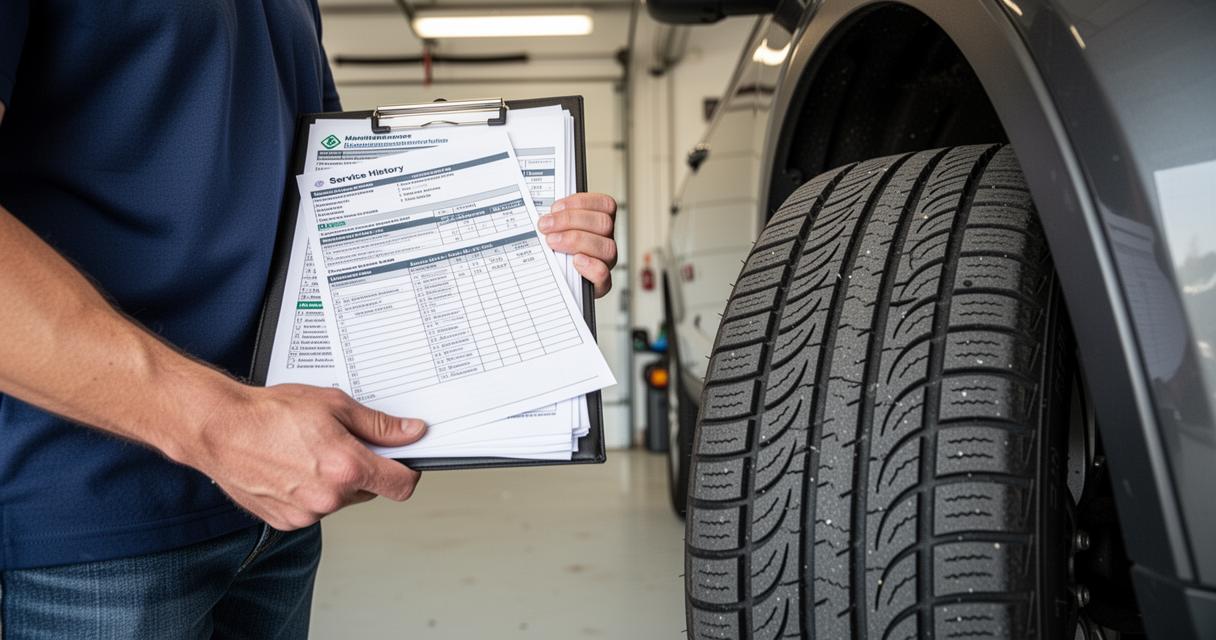
A thorough service history begins long before the sale itself. Every time your automobile visits a garage — whether for an oil change, a tyre rotation, or a more substantial repair — requesting and filing the corresponding invoice is a habit that pays dividends down the line. Buyers in the used car market are naturally cautious, and a neat folder of chronological service records transforms that caution into confidence. It tells a story: this vehicle has been cared for, consistently and responsibly.
The logbook sits at the heart of this documentation. Keeping it stamped and up to date for each year of circulation demonstrates that maintenance has never been deferred or skipped. Sellers who can present a complete logbook alongside supporting invoices are far better placed to justify their asking price. In the minds of potential buyers, a gap in the records raises uncomfortable questions, whereas a seamless timeline of care provides genuine reassurance.
It is also worth noting that regular maintenance does more than simply protect the vehicle mechanically — it actively preserves its market value. An automobile that has received consistent attention will typically attract more serious buyers and generate more competitive offers than one whose history is patchy or unclear.

Present clear vehicle documentation during the pre-purchase inspection
The pre-purchase inspection is a pivotal moment in any sale. This is when a prospective buyer — or the mechanic they bring along — examines the car with a critical eye. Being prepared with organised, legible documentation at this stage signals professionalism and transparency, both of which encourage trust. Gather all relevant papers in advance: the logbook, invoices for parts and labour, MOT certificates, and any records relating to component replacement.
Clarity matters enormously here. Documents that are difficult to read, incomplete, or presented in a disorganised fashion can introduce doubt even when the vehicle itself is in excellent condition. Consider arranging paperwork chronologically, with the most recent service records on top, so that a buyer can trace the car’s history at a glance. When documentation is presented this way, the inspection becomes a straightforward confirmation of what has already been communicated, rather than an exercise in detective work.
Highlight quality upgrades and essential accessories before sale
Showcase up-to-date auto parts and recent component replacement
Beyond routine servicing, any upgrades or significant component replacements represent genuine added value — and they deserve to be communicated clearly to buyers. If you have recently invested in new auto parts, whether that means a replacement timing belt, a new set of brake discs, or a recently fitted exhaust system, these are selling points that directly justify a stronger asking price. Buyers are purchasing not just the car as it stands, but a degree of future reliability, and recent replacements reduce the likelihood of imminent repair costs.
Similarly, accessories that come with the vehicle — a roof rack, a tow bar, winter tyres, or a quality sound system — add perceived value and can broaden your pool of interested buyers. When listing these items, be specific and factual. The goal is to give potential clients a comprehensive picture of what they are acquiring, removing uncertainty and making it easier for them to say yes.
Enhance Vehicle Appeal on Online Social Networks and Used Car Markets
The way a car is presented online has become as important as its physical condition. The majority of buyers now begin their search on the web, browsing used car platforms and social networks before ever arranging a viewing. A well-crafted listing with clear photographs, an honest description, and a visible mention of the full service history will consistently outperform a sparse or vague advertisement.
When writing your online listing, highlight the key elements that distinguish your vehicle: the year of first circulation, the regularity of its maintenance, any recent work carried out, and the accessories included. Avoid vague language — buyers respond better to specific, verifiable information. On social networks, sharing photographs of your service folder alongside images of the car itself can set your listing apart and attract more enquiries from serious, qualified buyers rather than casual browsers.
Prepare the Vehicle Thoroughly to Secure an Exceptional Resale Price
Obtain a Realistic Market Value Estimate for Your Used Car
Before setting a price, it is essential to understand what the market will bear. An honest market value estimate for your used car takes into account the make, model, year, mileage, overall condition, and — crucially — the completeness of its service history. Vehicles with a transparent, documented past consistently command higher valuations than comparable cars with incomplete records.
Several online tools allow sellers to obtain an indicative estimate based on current market data. Use these as a starting point, then adjust your price to reflect the particular strengths of your vehicle. A freshly serviced automobile with a complete logbook and recent component replacements warrants a price that reflects that investment. Setting an unrealistic figure, however, risks deterring buyers; the aim is to price confidently but fairly, backed by evidence.

Reassure Prospective Client Interest to Finalise a Swift Purchase
The final stages of a sale often hinge on how well a seller manages the concerns of a prospective client. Buyers — particularly those investing a significant sum in a used vehicle — need to feel that they are making an informed, secure decision. Transparent documentation, a well-presented car, and a seller who answers questions openly all contribute to an atmosphere of trust that accelerates the negotiation process.
Consider offering a brief demonstration of the vehicle’s features and addressing any questions about its history proactively. If the car has had a minor repair or an unusual service event, explain it clearly rather than hoping it goes unnoticed. Honesty at this stage not only protects the seller legally but also fosters goodwill, making buyers more comfortable moving forward quickly. The combination of solid documentation, a fair estimate, and transparent communication is, ultimately, the most reliable route to achieving an exceptional resale price for your car — and ensuring the transaction proceeds smoothly for everyone involved.