5 Best ISO 7010 Safety Signs for Your Business in 2026 with Seton UK
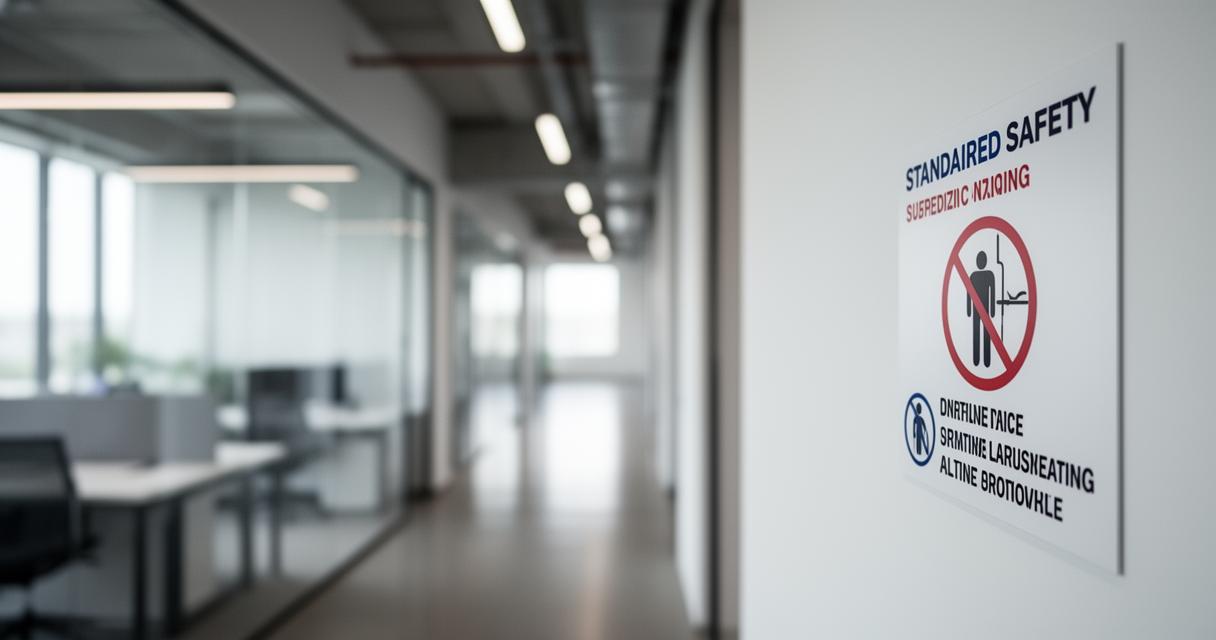
Workplace safety remains a cornerstone of responsible business operations in the United Kingdom. As we progress through 2026, the emphasis on regulatory compliance and employee wellbeing has never been more pronounced. Selecting the best panneaux de sécurité for your entreprise is not merely about meeting legal obligations; it is about fostering a culture where every individual understands potential hazards and knows how to respond in critical moments. With ISO 7010 standards providing a globally recognised framework for safety symbols, businesses across the nation are turning to trusted suppliers like Seton UK to ensure their environments are both compliant and safe.
| Category | Primary Purpose | Typical Environment | Recommended Materials | Key Regulatory Framework | Distinctive Features |
|---|---|---|---|---|---|
| Health and Safety Signs | Accident prevention and emergency response across all workplaces | Universal application across offices, industrial facilities, and educational institutions | PVC, aluminium, photoluminescent options | ISO 7010, Health and Safety Regulations | Five distinct categories (prohibition, warning, mandatory, emergency, fire safety); placement at 1.6m eye level |
| Construction Site Signs | Managing dynamic hazards in constantly changing construction environments | Construction sites with heavy machinery, excavation zones, and multiple contractors | Aluminium (long-term), PVC (temporary), photoluminescent (low-light conditions) | CDM Regulations 2015, British Standards | Flexible and durable for harsh weather; customisation for site-specific hazards; suitable for temporary and permanent installations |
| Warehouse Safety Signs | Coordinating movement of goods, machinery, and personnel to prevent collisions and injuries | Warehouses with forklift operations, loading bays, and storage areas | Aluminium (impact-resistant), photoluminescent (emergency egress routes) | ISO 7010, Health and Safety Regulations | Traffic management signage; separation of pedestrian and vehicle routes; speed limit and hazard identification markers |
| Workplace Safety Signs | Foundation of proactive safety culture across all economic sectors | Offices, retail spaces, industrial facilities, educational institutions | PVC, aluminium, photoluminescent options | Health and Safety Regulations, British Standards | Universally recognisable ISO 7010 symbols; comprehensive coverage including emergency exits, first aid, and PPE reminders |
| Seton UK Products | Comprehensive safety signage supply with expert advisory support | All workplace environments across the United Kingdom | PVC, aluminium, photoluminescent materials | ISO 7010, Health and Safety Regulations, CDM Regulations 2015 | Over 30,000 safety products; 70 years of experience; next-day delivery; 24/7 expert support; free delivery on orders over £50 |
Seton uk
Seton UK stands as a leading authority in the supply of safety signage and related products throughout the United Kingdom. With nearly 70 years of industry experience, this Banbury-based company has built a reputation that extends far beyond national borders. As part of the globally recognised Brady Corporation, Seton UK leverages international expertise while maintaining a distinctly British approach to customer service and product quality. The company offers an extensive range of over 30,000 safety products, including comprehensive safety signs and personal protective equipment, all designed to meet the rigorous demands of modern workplaces. Every item complies with ISO 7010 and British Standards, ensuring that businesses can trust in both the quality and the regulatory compliance of what they purchase.
Comprehensive product range and expert support
The breadth of Seton UK's product catalogue is truly remarkable. From emergency exit signage and fire safety markers to prohibition and warning signs, the company provides meilleur solutions for virtually every safety requirement. The range encompasses more than 30,000 ISO 7010 pictograms, covering diverse hazards that businesses may encounter across sectors. This extensive inventory means that whether a company operates in manufacturing, construction, logistics, or office environments, there is a tailored safety solution available. Moreover, Seton UK does not simply supply products; the company offers expert advisory support available around the clock. This commitment to guidance ensures that business owners and safety managers receive personalised assistance in navigating the complex landscape of Health and Safety Regulations. The availability of next-day delivery on many products, coupled with free delivery on orders exceeding fifty pounds, further underscores Seton UK's dedication to convenience and efficiency.
Regulatory compliance and material excellence
Compliance with ISO 7010 and British Standards is not optional in today's regulatory environment; it is a legal necessity. Seton UK understands this imperative and ensures that every product meets the stringent requirements set forth by UK legislation, including the Health and Safety Regulations and CDM Regulations 2015. The company's commitment to regulatory guidance is evident in its comprehensive support services, which help clients understand the specific design, placement, and maintenance obligations associated with workplace signage. Material selection is another area where Seton UK excels. Signs are available in a variety of durable materials including PVC, aluminium, and photoluminescent options, each chosen to withstand the demands of different environments. Aluminium signs offer robustness for outdoor and industrial settings, while photoluminescent materials ensure visibility during power outages or emergencies. This attention to material quality and regulatory compliance means that businesses can be confident their safety signage will perform reliably when it matters most.
Health and safety signs
Health and safety signs are fundamental to accident prevention and effective emergency response in any workplace. These visual tools serve as constant reminders of potential hazards and the actions required to mitigate risks. In the United Kingdom, the legal framework governing workplace signage is robust, with the Health and Safety Regulations mandating clear, comprehensible signs to indicate specific actions necessary for managing health risks. The ISO 7010 standard, published in 2003, approved in 2011, and updated in 2019, provides a globally recognised system of safety symbols that transcends language barriers and ensures consistency across international operations. This standard distinguishes signs using different shapes and colours, making it easier for employees and visitors to understand the nature of the hazard or instruction at a glance.
Categories and strategic placement
Safety signs are categorised into five distinct groups, each serving a specific purpose. Prohibition signs inform individuals of actions that are not permitted, such as no smoking or no entry. Warning signs alert people to potential dangers like electrical hazards or slippery surfaces. Mandatory signs, typically displayed in blue circles, indicate required actions or the need to wear personal protective equipment. Emergency and safety signs guide individuals to exits, first aid stations, and assembly points, while fire safety signs provide critical information related to fire prevention and response. Understanding these categories is essential for creating a comprehensive safety signage strategy. Signs must be placed at eye level, approximately 1.6 metres from the ground, and positioned in areas with good lighting to ensure maximum visibility. Regular checks and maintenance are crucial to confirm that signs remain legible and effective over time, as faded or damaged signage can compromise safety and lead to regulatory non-compliance.
Iso 7010 compliance and legal requirements
Compliance with ISO 7010 is legally required in many countries, particularly for international firms operating across multiple jurisdictions. In the UK, adherence to this standard is not merely a recommendation but a legal obligation for businesses seeking to protect their workforce and avoid penalties. The standard's emphasis on universally recognisable symbols means that even in multilingual or transient work environments, safety messages remain clear and actionable. Custom safety signs, while sometimes necessary to address site-specific hazards, must still fit within established design principles to maintain clarity and effectiveness. The integration of ISO 7010 standards into workplace safety protocols represents a strategic necessity, as it aligns with broader regulatory requirements and demonstrates a commitment to employee wellbeing. Businesses that invest in compliant signage are not only fulfilling legal duties but also cultivating a safer, more productive work environment where accidents are less likely to occur.
Construction site signs
Construction sites present unique challenges when it comes to safety signage. These dynamic environments are characterised by constantly changing conditions, multiple contractors working simultaneously, and a wide array of potential hazards. From heavy machinery and elevated work platforms to electrical installations and excavation zones, the risks are varied and ever-present. As such, construction site signage must be both flexible and durable, capable of withstanding harsh weather conditions and the physical demands of the site. The CDM Regulations 2015 specifically address the need for clear and effective signage on construction sites, reinforcing the legal obligation to protect workers and visitors from harm. Seton UK's extensive range of construction-specific signage includes options for temporary and permanent installations, ensuring that every phase of a project is adequately covered.
Durable materials and customisation
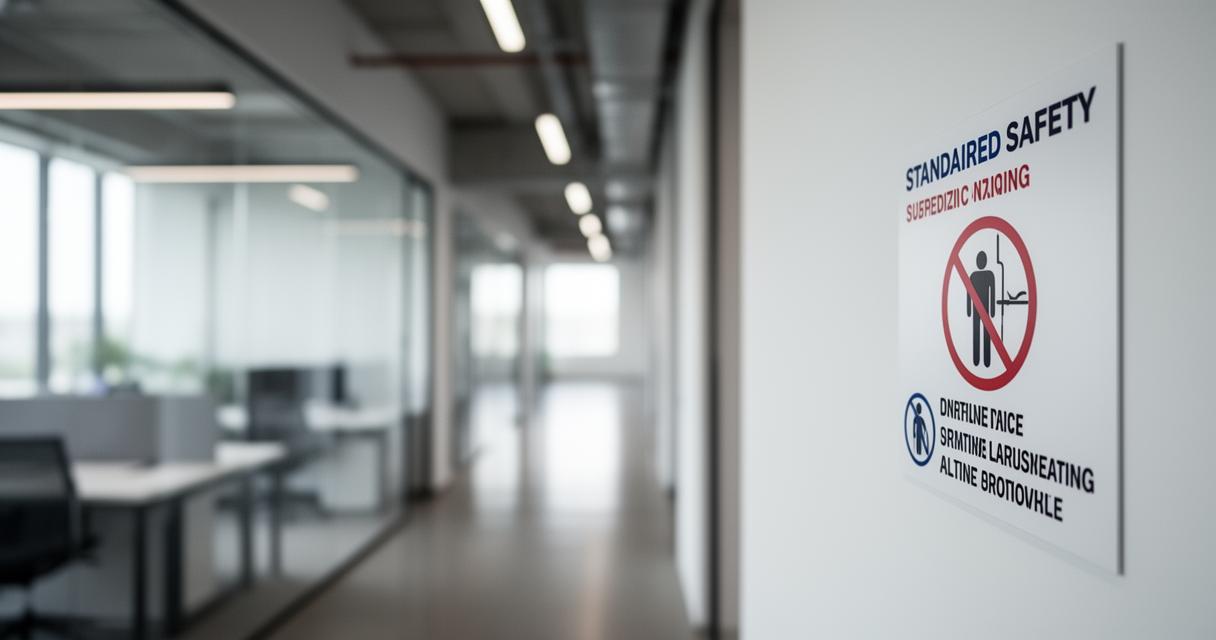
The choice of material is critical when selecting construction site signs. PVC signs offer a cost-effective solution for temporary applications, providing adequate durability for short to medium-term projects. Aluminium signs, on the other hand, are ideal for longer-term installations, offering superior resistance to impact, corrosion, and adverse weather. Photoluminescent materials are particularly valuable on construction sites, as they remain visible even in low-light conditions or during power outages, guiding individuals to safety during emergencies. Customisation plays a vital role in addressing the specific hazards present on each site. Generic signage may not fully capture the unique risks associated with a particular project, so the ability to create bespoke signs that convey precise messages is invaluable. Whether indicating the location of site offices, marking exclusion zones, or highlighting the need for specific personal protective equipment, customised signage ensures that safety communications are relevant and effective.
Regulatory compliance and site management
Compliance with the CDM Regulations 2015 and related British Standards is non-negotiable for construction sites. These regulations mandate that principal contractors and designers take all reasonable steps to ensure that safety information is communicated clearly and effectively. This includes the provision of appropriate signage at all stages of the project, from initial groundworks through to final handover. Regular site inspections and sign maintenance are essential to ensure that signage remains legible and properly positioned as site conditions evolve. Faded, damaged, or obscured signs can lead to confusion and increase the risk of accidents, making proactive maintenance a key component of site safety management. Seton UK's expertise in construction site signage, combined with their understanding of regulatory requirements, makes them an invaluable partner for contractors seeking to maintain the highest standards of safety and compliance.
Warehouse safety signs
Warehouses are complex operational environments where the movement of goods, machinery, and personnel must be carefully coordinated to prevent accidents. The risks in these settings include collisions between forklifts and pedestrians, slips and trips caused by spillages or uneven surfaces, and injuries resulting from improper handling of materials. Effective warehouse safety signage is essential for managing these risks and ensuring that all individuals on site are aware of the necessary precautions. Signs must be strategically placed at key points such as loading bays, pedestrian walkways, storage areas, and machinery zones to provide clear guidance and warnings. The use of ISO 7010 compliant signage in warehouses not only meets legal requirements but also contributes to a culture of safety that can significantly reduce accident rates and improve overall operational efficiency.
Traffic management and hazard identification
One of the primary functions of warehouse safety signs is to manage the flow of vehicular and pedestrian traffic. Designated walkways for pedestrians, clearly marked with mandatory signs, help to separate foot traffic from forklift routes, reducing the likelihood of collisions. Speed limit signs for vehicles within the warehouse ensure that operators maintain safe speeds, while stop and yield signs at intersections prevent accidents at critical junctures. Hazard identification is equally important. Warning signs alerting individuals to slippery surfaces, low clearance areas, or the presence of hazardous materials enable workers to take appropriate precautions. Mandatory signs indicating the requirement to wear high-visibility clothing, safety footwear, or hard hats reinforce the importance of personal protective equipment in mitigating risks. The combination of traffic management and hazard identification signage creates a comprehensive safety framework that protects all warehouse personnel.
Material selection and visibility
The materials used for warehouse safety signs must be chosen with care to ensure longevity and visibility. Aluminium signs are particularly well-suited to warehouse environments, as they are resistant to impact and can withstand the rigours of daily operations. Photoluminescent signs are invaluable in areas where lighting may be inconsistent or where emergency egress routes need to remain visible during power failures. The placement of signs at eye level, with adequate lighting, is crucial for ensuring that they are seen and understood by all individuals moving through the space. Regular maintenance checks are necessary to confirm that signs have not been obscured by stacked materials or damaged by moving equipment. Seton UK's range of warehouse-specific signage, combined with their advisory support, enables businesses to create a safe and compliant environment that protects both employees and assets.
Workplace safety signs
Workplace safety signs are the foundation of a proactive safety culture across all sectors of the economy. From offices and retail spaces to industrial facilities and educational institutions, clear and effective signage is essential for preventing accidents and ensuring that everyone knows how to respond in an emergency. The Health and Safety Regulations mandate that employers provide adequate safety information, and signage is a key component of this requirement. ISO 7010 standards ensure that safety signs are universally recognisable, making them effective even in diverse or multilingual workplaces. The strategic placement of signs, regular maintenance, and employee training all contribute to the effectiveness of workplace safety signage. Seton UK's comprehensive range of products and expert guidance make them a trusted partner for businesses committed to maintaining the highest standards of safety and compliance.
Comprehensive safety solutions and employee wellbeing
Investing in workplace safety signs is about more than regulatory compliance; it is a demonstration of an organisation's commitment to employee wellbeing. Clear signage helps to prevent accidents by providing timely warnings and instructions, reducing the likelihood of injuries and associated costs. Emergency exit signs, fire safety markers, and first aid station indicators ensure that individuals can respond quickly and effectively in crisis situations. Mandatory signs reminding employees to use personal protective equipment reinforce safe working practices, while prohibition signs prevent behaviours that could lead to harm. The presence of comprehensive safety signage also contributes to a positive safety culture, where employees feel valued and protected. This, in turn, can lead to improved morale, reduced absenteeism, and enhanced productivity. Seton UK's extensive product range, which includes over 30,000 safety items, ensures that businesses can find the right signage for every application, supported by expert advice and rapid delivery.
Regulatory guidance and continuous improvement
Navigating the complex landscape of safety regulations can be challenging, but Seton UK's commitment to regulatory guidance simplifies the process for business owners and safety managers. The company provides personalised support to help clients understand their obligations under the Health and Safety Regulations, CDM Regulations 2015, and related British Standards. This includes advice on sign design, placement, and maintenance, as well as assistance with customisation for site-specific hazards. Regular reviews of safety signage are essential to ensure ongoing compliance and effectiveness. As workplaces evolve and new hazards emerge, signage must be updated to reflect current conditions. Seton UK's expertise in continuous improvement, combined with their extensive industry experience, makes them an ideal partner for businesses seeking to maintain a safe and compliant environment. By choosing Seton UK, organisations gain access to a comprehensive safety solution that encompasses high-quality products, expert guidance, and a commitment to excellence that spans nearly 70 years.